Father, author, developer, maker. Please consider sponsoring my work.
Adding a backup Internet WAN on my OPNsense Router
AKA "Spectrum has gone down two weeks in a row and I'm sick of it".
I've been borrowing a portable 5G gateway from my Dad for a few weeks, for testing... and two weeks in a row, I've used it as a backup Internet option, since my Spectrum Business cable Internet has gone down.
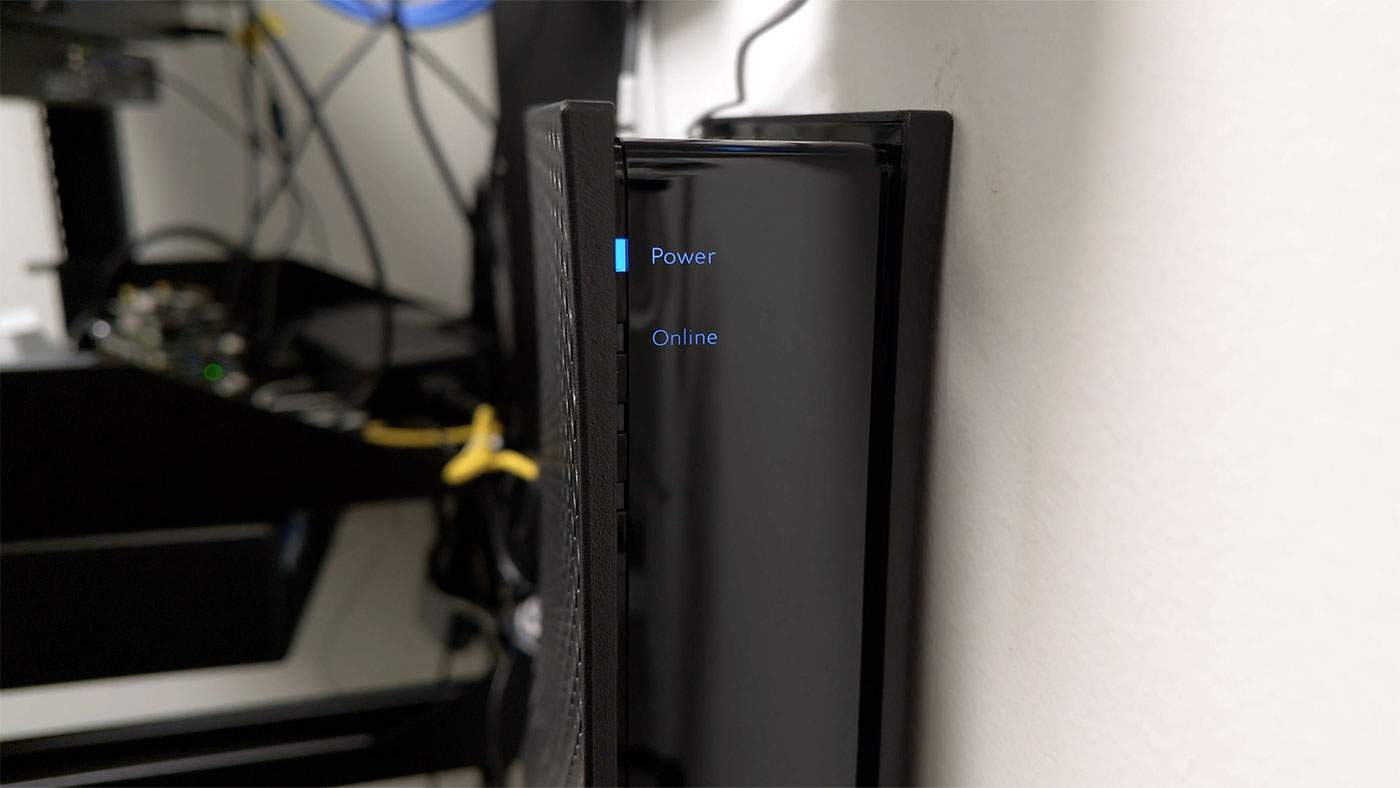
And yes, I'd get AT&T Fiber if I had the option, sadly they don't yet provide service at my studio. So I'm stuck with only one high speed wired provider. I may add on my own 5G backup Internet connection in the future, but we're getting off track.
…Open Sauce and GPS time were my summer AI Antiseptics
In the midst of our AI slop revolution, traveling to the West coast for Open Sauce this past weekend was the perfect antiseptic for rising costs, summer heat, and online divisiveness.
It's ironic, then, that I used Claude to vibe code my Tufty GPS Time Badge.
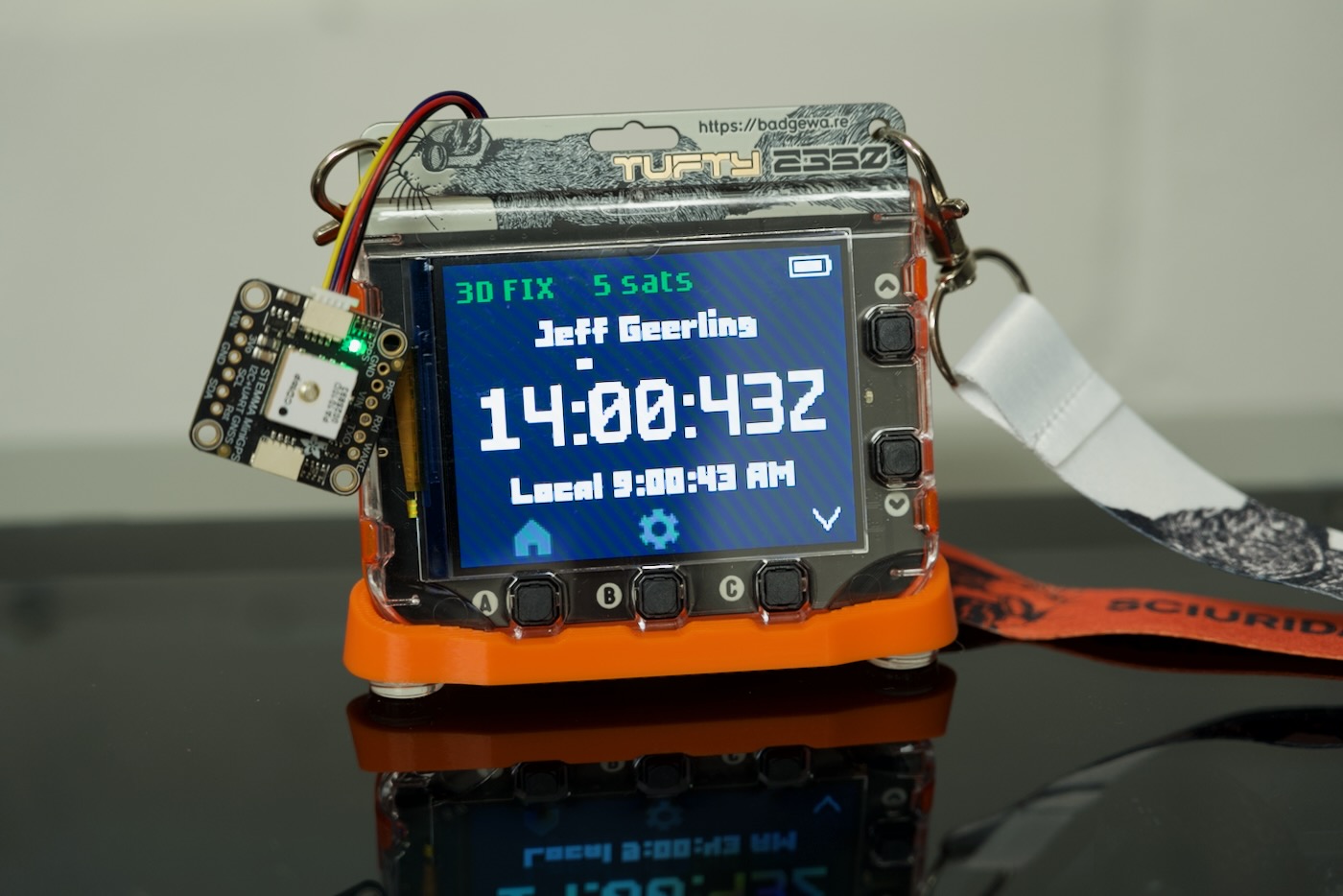
Partly due to time constraints, and partly because I wanted to see if I could complete a personal project end-to-end, without editing a line of code, I throw my requirements at Claude and ultimately came up with this 2141-line MicroPython app for Pimoroni's Badgeware ecosystem.
…QuadRF can spot drones and see WiFi through my wall
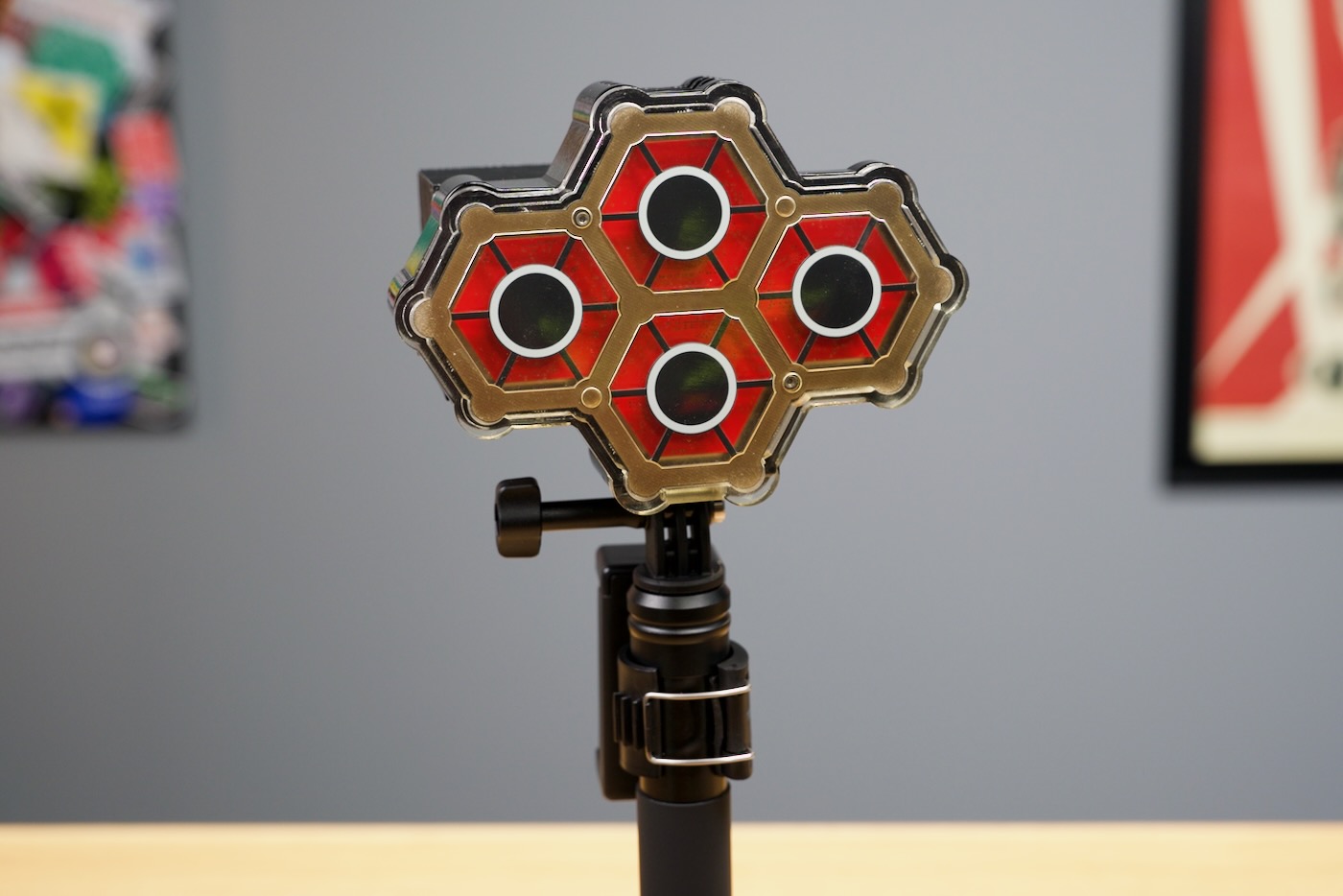
The QuadRF (pictured above) a phased-array radio built around a Raspberry Pi 5 and an FPGA board with picosecond-level timing. It does advanced signal processing and beamforming.
It can see WiFi through walls and track drones in flight.
If the open source community can come up with something like this, just imagine what governments are capable of.
When you plug a computer into a network, tools like Wireshark can show all the hidden traffic you might not even know is there. WiFi packets are the same, but those travel through the air, allowing snooping without physical access.
…The Special Value Pi 4 was extremely short-lived
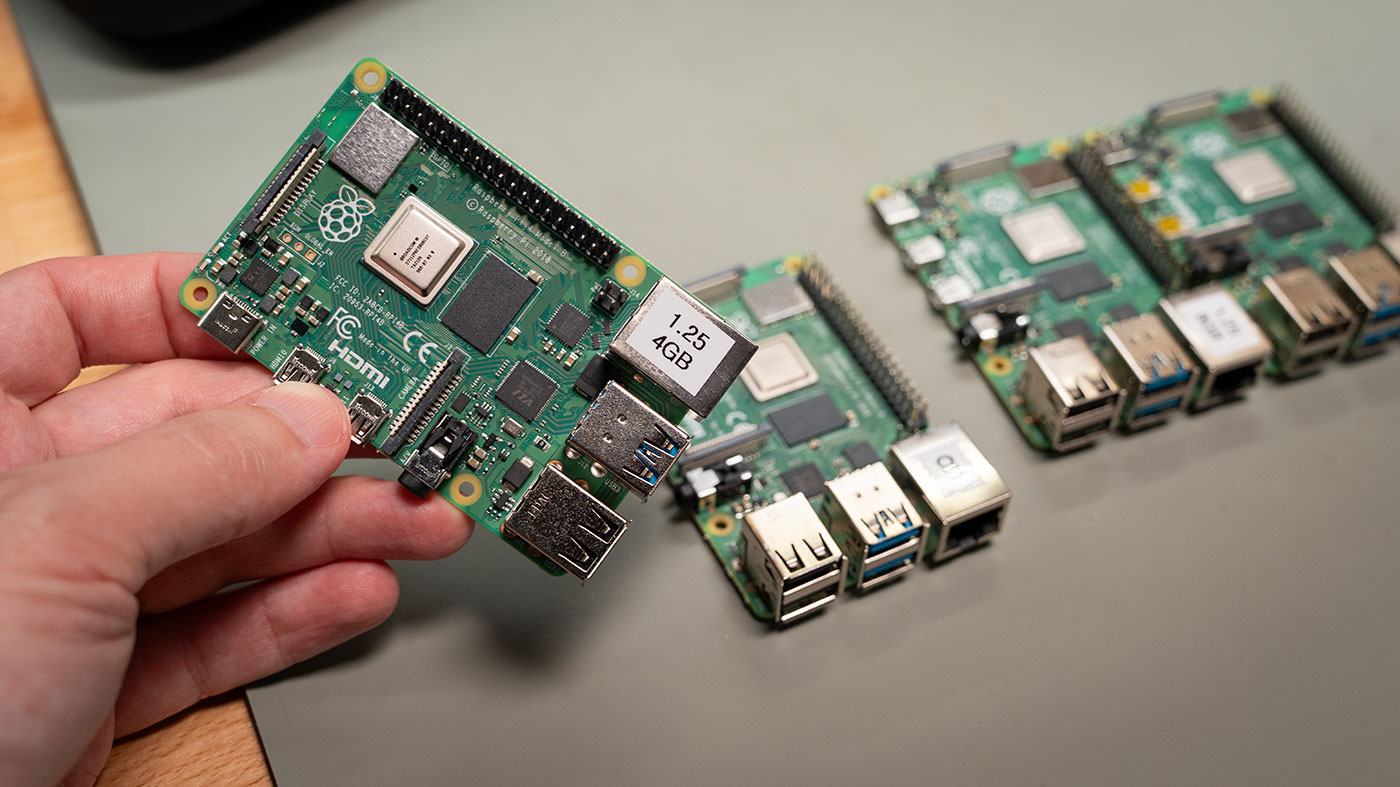
The 'Special Value' Pi 4 pictured above is probably the rarest Raspberry Pi I own—even rarer than my blue special edition Pi.
A Raspberry Pi reseller briefly listed a special 'value edition' Pi 4. But the product page 404's now. While it was up, my curiosity got the better of me, and now I have two 'value' Pi 4s.
What makes them a 'value'? They're only certified to run at 1.25 GHz (retail Pi 4s run at 1.8 GHz, and can usually be overclocked).
…Quickly apply LUTs (color grading) with ffmpeg
This is a quick post, mostly for my own reference.
I've avoided LUTs and 'Log' video footage for years1, mostly because of the extra tiny bit of workflow involved. Like RAW photos, 'Log' footage retains the video sensor's full dynamic range, so you can pull more color and luminance information out of the footage later.
But unlike photography, where RAW has been a thing for decades, and many workflows 'just work' without me having to 'grade' every individual photo, in video precious few consumer apps handle Log footage gracefully. You generally end up with a muddy grey mess.
…Framework's 10G Ethernet module exposes USB-C's complexity
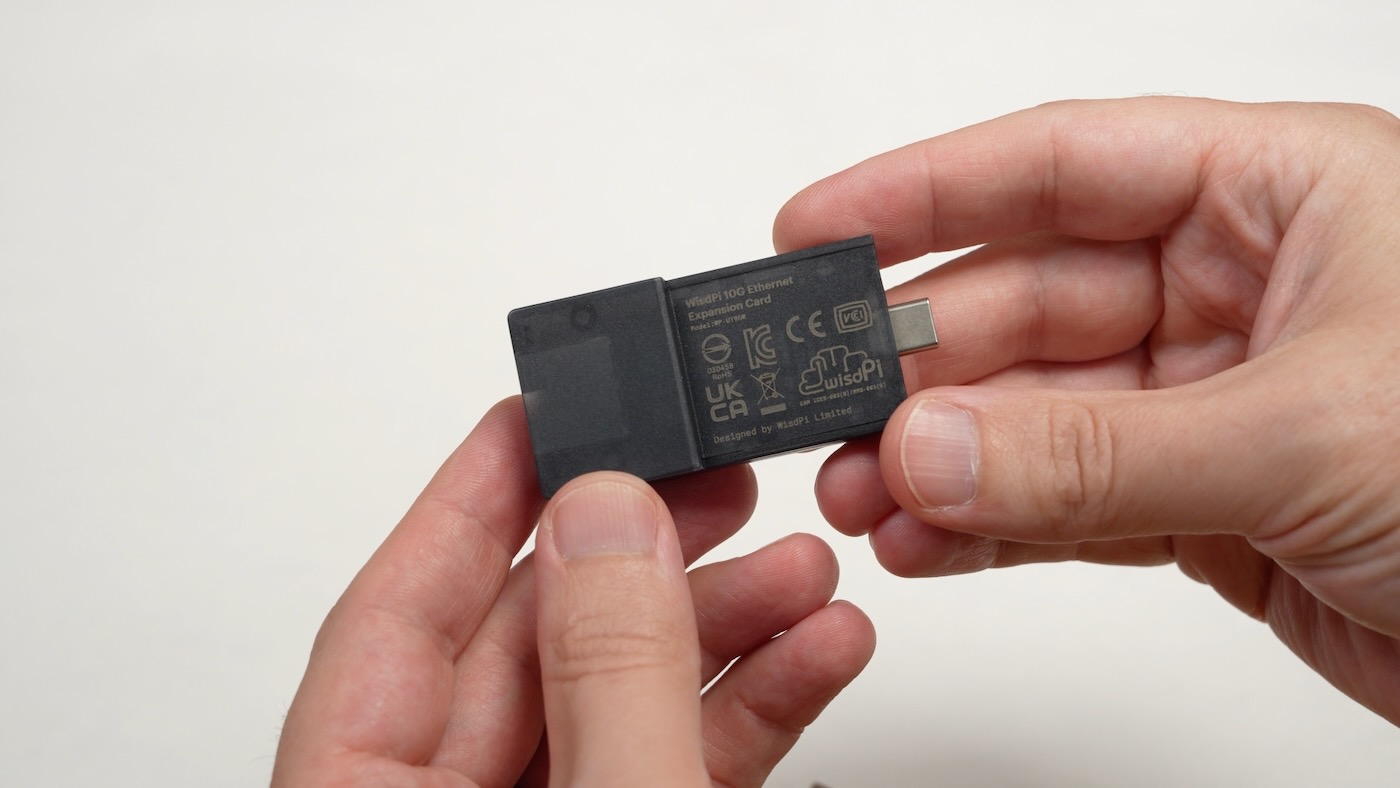
I've been following WisdPi's development of various 5 Gbps and 10 Gbps Ethernet adapters for the past couple years.
They use newer Realtek Ethernet chips, which sometimes have performance quirks—most frequently encountered under Linux.
In today's video, I tested the new WisdPi 10G Ethernet Expansion Card for Framework computers. It fits in any available Framework Expansion slot—even on the Framework Desktop.
But Expansion Cards use USB-C for their connection to the mainboard—and therein lies the rub...
…