Photographing the 2024 Total Solar Eclipse (results)
The path of totality for the 2017 Total Solar Eclipse ran right through my backyard, and it was my first experience photographing totality. Total solar eclipses, when the moon completely covers the sun, are rare. After this year's eclipse, the lower 48 United States will see a brief bit of totality up around Montana in 2044, and a major event across the US in 2045—and I'll be near retirement!

See the full-size image of the eclipse composite on Flickr.
The above photograph is a composite image of all the stages of the 2024 eclipse. I took the pictures in the midst of a few thousand people scattered Fruitland, Missouri, during the April 8, 2024 Total Solar Eclipse.
I have a full video about the event, and you can watch it below, but as with most of my projects, I'm also writing this blog post for those who enjoy reading more than watching.
For this year's eclipse, I have mostly new gear, compared to 2017. Back then I was shooting Nikon full-frame, so I had my D750 and a rented 200-500mm lens. This year my primary camera was my APS-C Sony a6600 with the sony 70-350mm lens, and I posted a short video explaining my process last month.
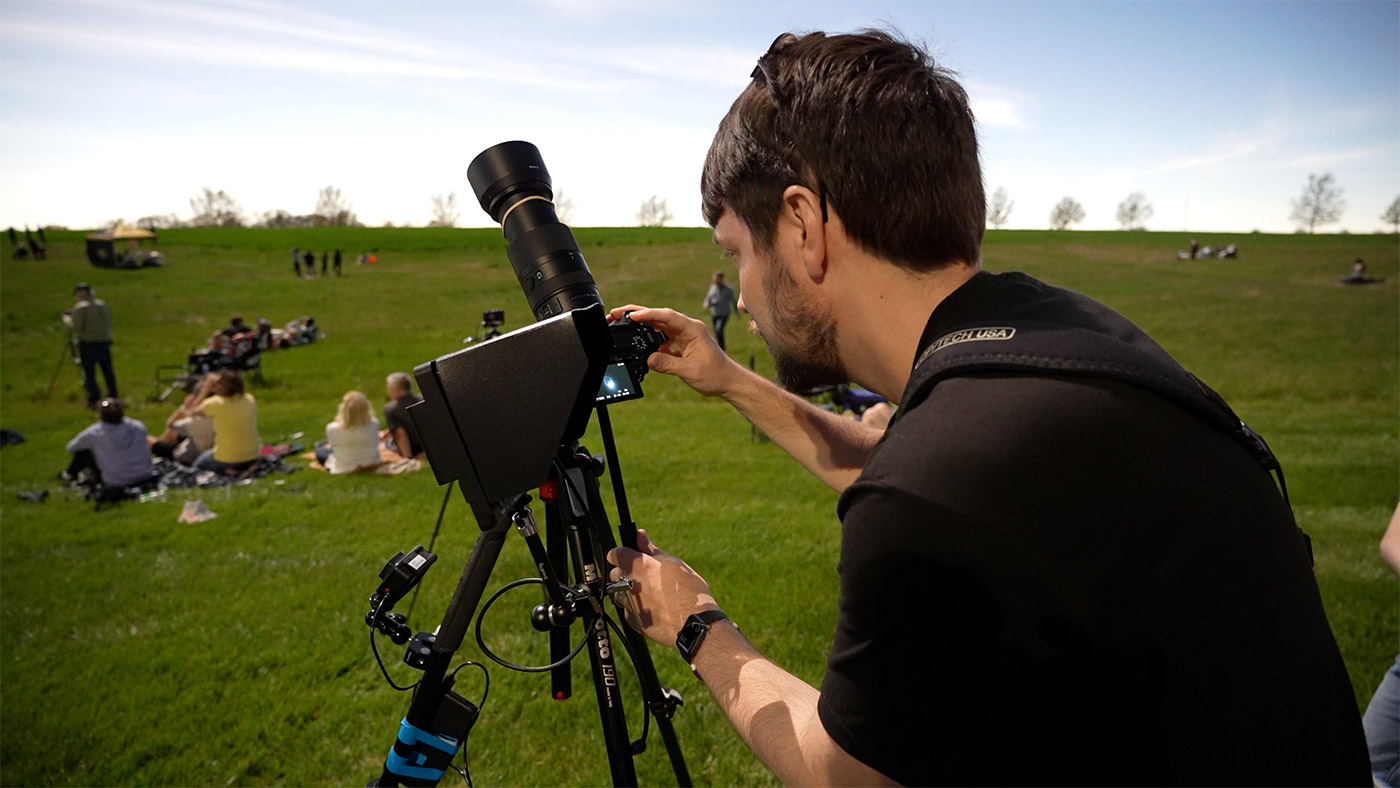
The biggest difference is the Sony's much better at shooting video, which is how I got most of the footage in the video embedded above. But no matter how good the equipment, nothing compares to experiencing totality in person. And there's a chasm between experiencing a 99% partial eclipse and totality.
We were fortunate to have great weather and little cloud cover, despite shaky predictions of clouds along much of the path of totality the previous week. Many people were 'clouded out', but even in Texas, where the predictions were most dire, many witnessed at least part of totality with few or zero clouds in the way.

Also, completely by chance, I ran into Destin Sandlin (of Smarter Every Day) and Dr. Gordon Telepun, who built the Solar Eclipse Timer App I used as a companion for both eclipses. Both of them set up gear to capture different things—Destin had film cameras (including an old Hasselblad!) ready to capture totality, and Dr. Telepun had a vast array of experiments set up to monitor the local environmental changes, as well as things like radio wave propagation during totality:
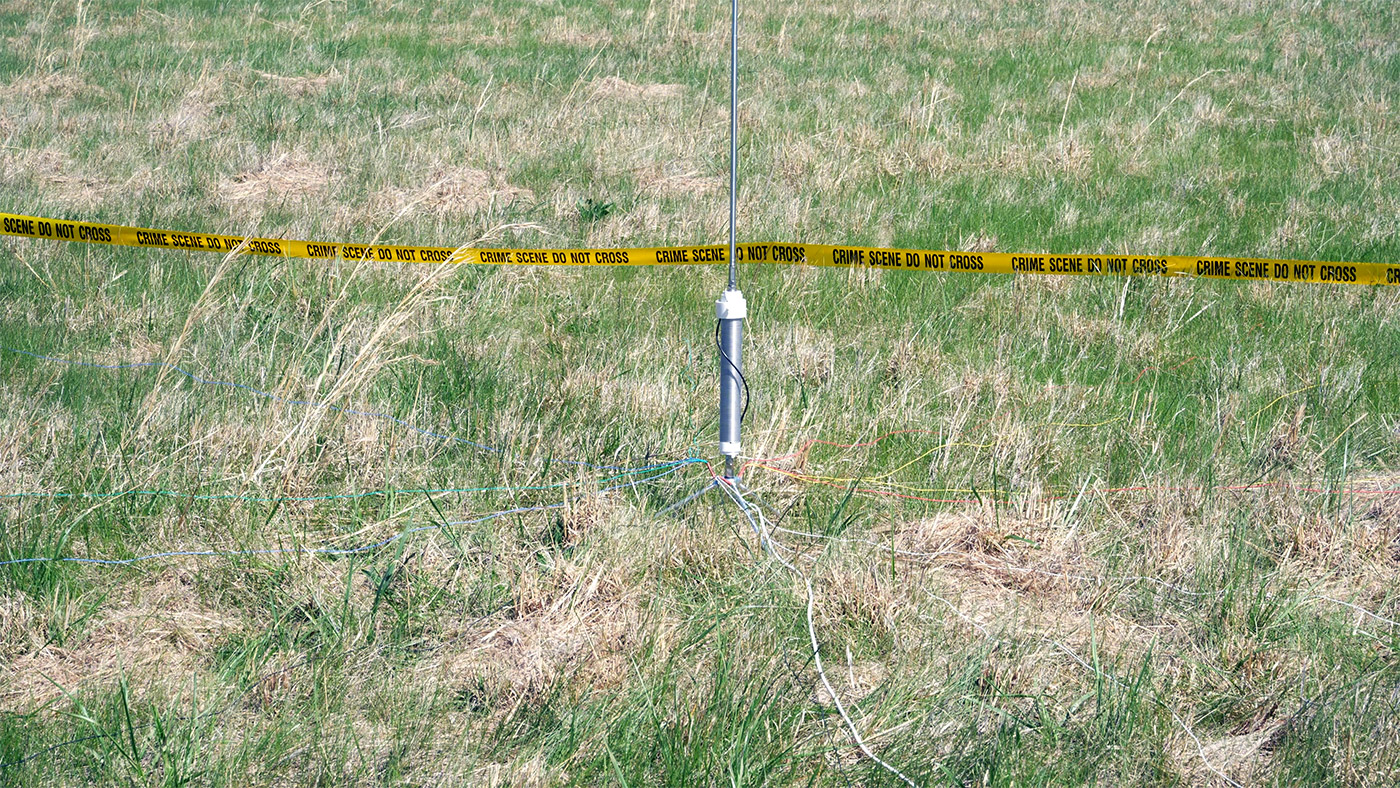
I haven't seen where the results of that testing will be, but I'll update this post if I do!
We did a bunch of little experiments to show the kids different aspects of the eclipse, but we struck gold being at the same location as Dr. Telepun. He had stations set up to highlight all aspects of the event. I can't cover much in a blog post, but Destin posted a great video about these experiments last month.

Seeing all the experiments, and the thousands of people who dotted the countryside around us, was great. But nothing compares to the experience of totality, which I was happy to share with my family this year.
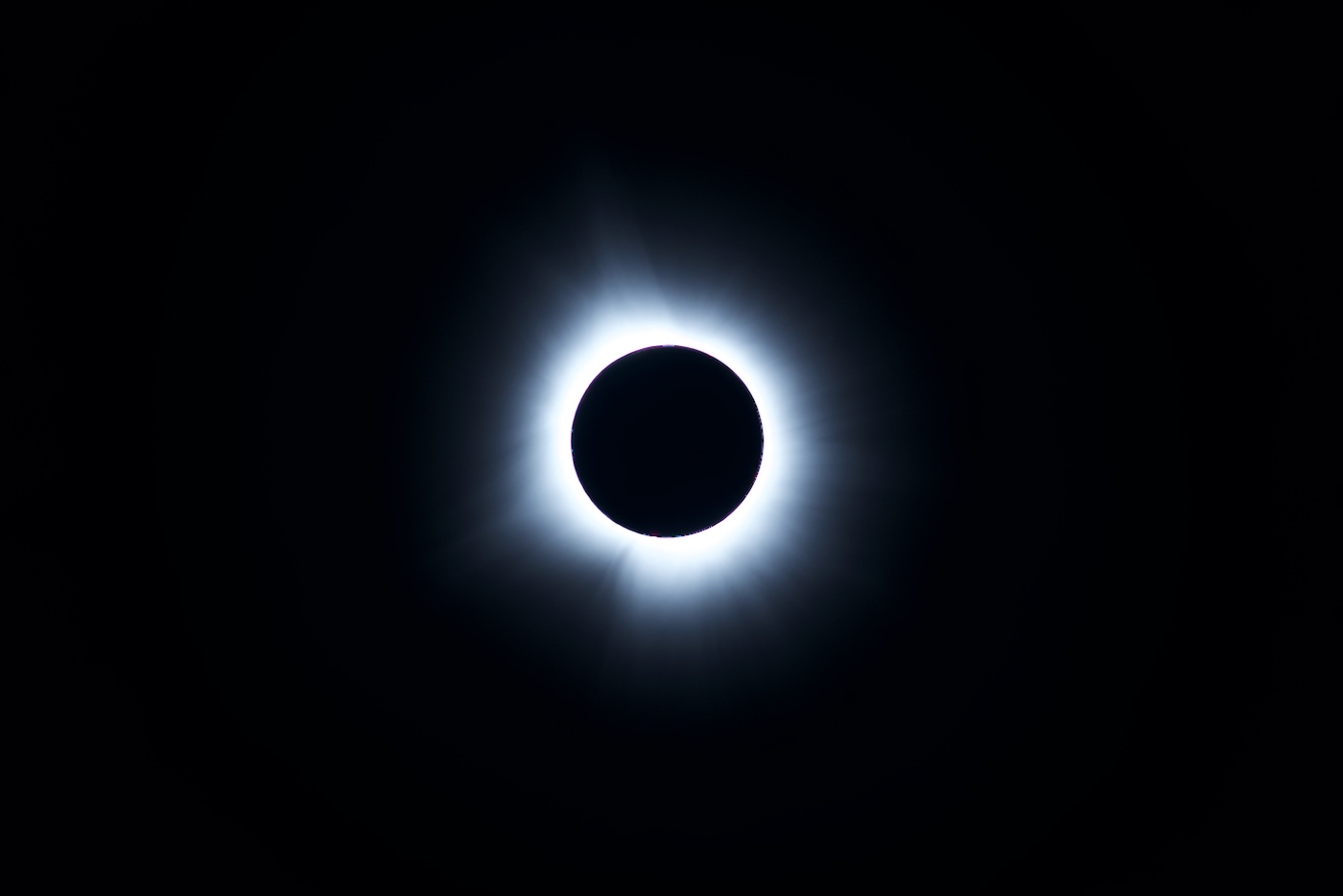
I was happy my images turned out—in focus, even!—and I'll leave it to scientists to dig into the features like those prominences many times larger than the earth around the sun's edge. I just enjoyed the experience and hopefully created memories for my kids that'll last a lifetime.
I posted a separate video of one of the most breathtaking parts of the eclipse, when the sun starts peeking out from behind the moon again. This video shows massive prominences along the bottom right edge, then as the sun comes through, Bailey's Beads make a brief appearance before the diamond ring appears:
Comments