Is AM Radio Dead?
...that was the question I asked my Dad, a radio engineer for many decades, who worked at the biggest AM station in St. Louis, KMOX. The station is approaching its centennial in 2025, as are—some YouTube commenters argue—its primary audience!
I recorded that video during my convalescence at my parents' house (I am feeling much better now, thank you!), and my Dad discussed a few reasons why AM radio—at least in the US—is not dead. But it is suffering.
In the video, I pointed out the current dichotomy:
On the one hand, the FCC Commissioner advocates for preservation, and cites the popularity of AM radio for farmers and emergency coverage.
On the other, companies like Tesla stopped shipping AM radio entirely, and if you want to add it on, they'll gladly retrofit your EV for $500.
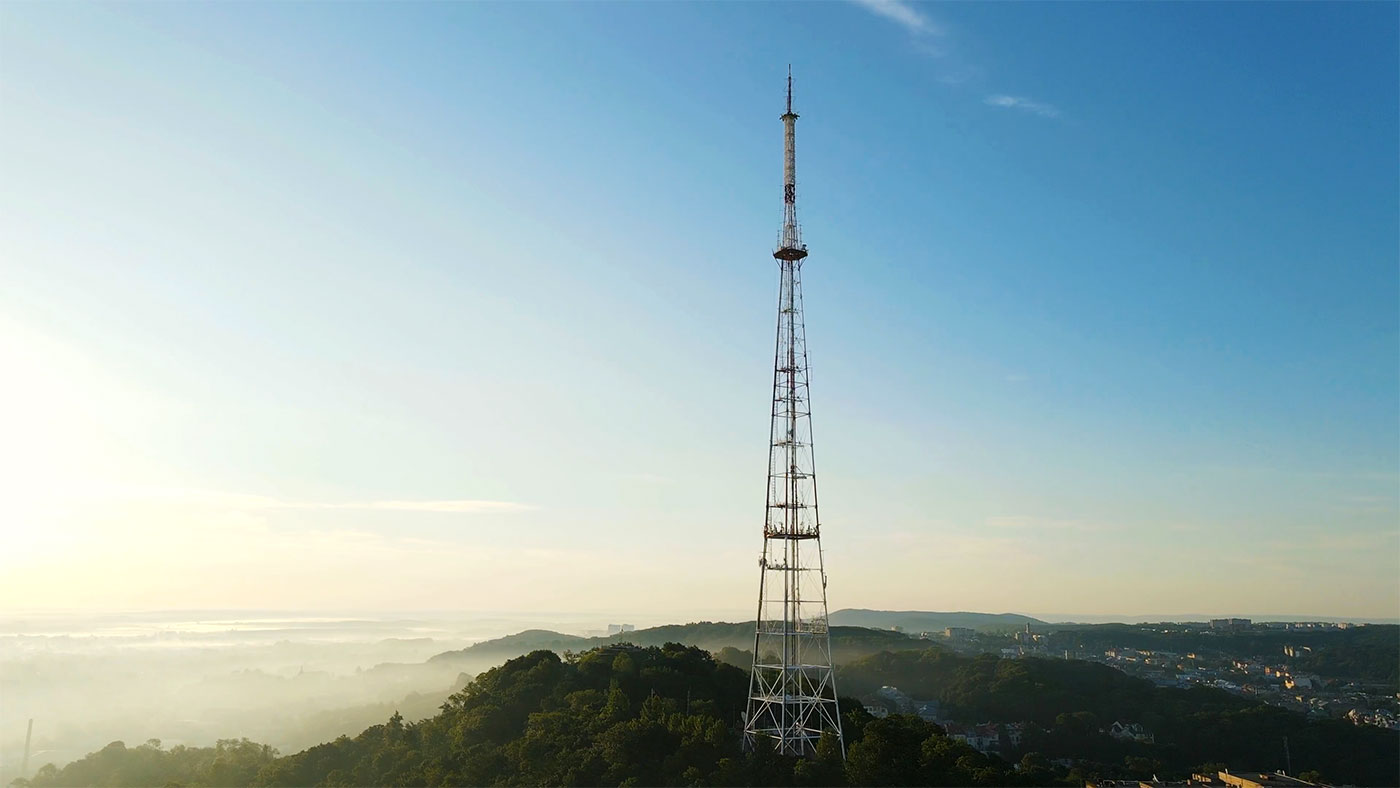
The video's comment section has run the gamut, from Hams advocating preservation and expounding the simplicity of AM signals on 'Medium Wave' bands, to those who cheer as each AM transmitter is switched off. Very recently, the UK's Absolute Radio 100 kw transmitter was powered off for the last time, and its signal migrated to DAB+ and online streaming.
Here in the States, market-leading AM stations mostly simulcast on the FM band and constantly push listeners to download an app to 'listen anywhere.'
I wanted to ask my Dad about this topic specifically because he still works with multiple AM stations in the midwest, and he has a lot of insight into FM, AM, and broadcast radio in general, as he's seen the transition from tape to CDs to digital, from mono to stereo FM, and ultimately to a failed rollout [that's me, editorializing... I haven't asked his opinion] of HD Radio in the US.
Satellite radio seemed neck-in-neck with digital radio for a time, until the Internet came in and ate everyone's lunch.
Even still, some commenters longed for the 'warmth of the AM signal' when listening to their favorite baseball team, or enjoyed 'knowing a storm was approaching from the crackle in the signal'.
There's a lot of nostalgia, too, for the first time someone built a crystal radio set, and discovered the magic of radio.
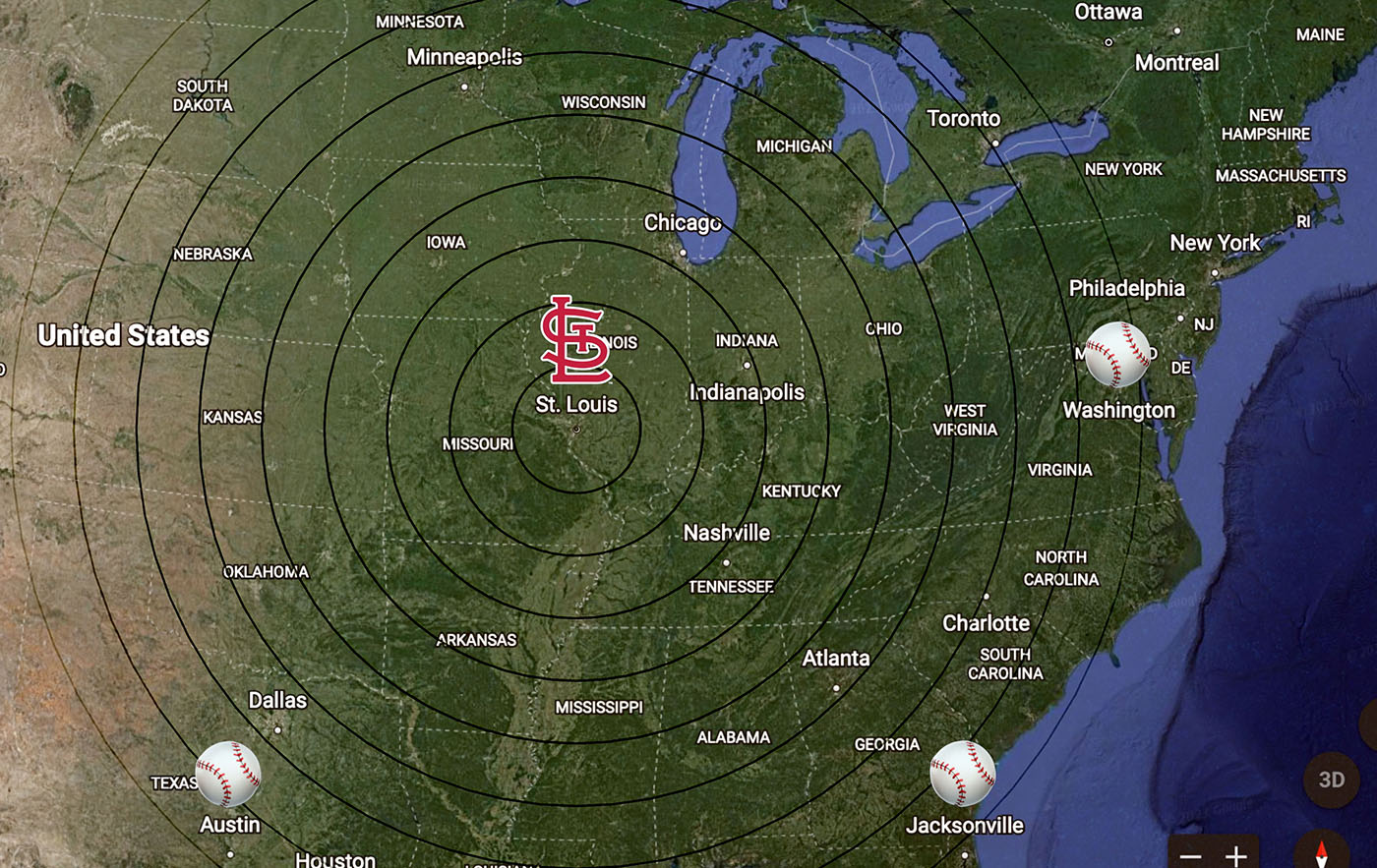
The AM band is known for its huge range—at nighttime, signals can travel for hundreds of miles, bouncing between the ionosphere and the ground in an effect known as skywave. And before the days of smartphones and always-on Internet connections, such long-distance broadcast felt like magic, as people could hear, in real time, the goings-on from other parts of the globe.
But my Dad made two other points about AM that may be its downfall: narrowbanding and interference.
Due to the nature of AM signals, or 'Amplitude Modulation', any interference on the broadcast frequency becomes noise that completely blocks out the signal. A lightning strike, high power lines, AC motors... or nowadays almost any electronic device with digital circuits that isn't properly designed and RF shielded—all these things make the AM radio listening experience disastrous.
Some AM signals have had their bandwidth cut down too, for various reasons, leaving only a few kHz of spectrum—that's about what you get with an old fashioned telephone call!
Gone are the days of the 'warm, soothing AM stereo' sound. Music has all but left the AM band, with FM (Frequency Modulation) offering far superior listening experience, in terms of interference rejection, stereo signal, and noise floor.
But FM requires line-of-sight transmission, necessitating taller or more numerous towers. It also can't be received on an empty roll of toilet paper with some wire wrapped around it!
AM radio has a long legacy behind it. My Dad mentioned 'content is king', and if you have the content people want to hear, they will seek out ways to listen to it. But as more and more radio stations in the US are controlled by ever fewer radio conglomerates, the local flair that endeared so many people to AM stations in the past fades off. Possibly at the same cadence as AM's relevance in our always-connected society.
Comments